
Tracking Progress That Actually Matters
Forget vanity metrics. Learn what to measure and how to spot real improvements in strength, endurance, and recovery — the things that keep you training long-term.
Why Most People Track the Wrong Things
You know the feeling. You step on the scale and it hasn't moved in three weeks. Your ego takes a hit. You think maybe you're wasting your time in the gym. But here's the thing — that scale doesn't know about the mobility you've gained, the energy you have at 3 p.m., or how your knees feel when you squat.
Most people track what's easy to measure: weight, reps, maybe body measurements. These aren't wrong exactly, but they're incomplete. They're like checking the gas gauge while ignoring the engine temperature. You're missing what actually matters for long-term training.

The Metrics That Actually Tell Your Story
Here's what to track if you want real insight into your fitness journey.
Recovery Quality
How you feel the day after training matters more than the workout itself. Track your resting heart rate, sleep quality, and soreness levels. If your resting HR is dropping or you're sleeping better, you're actually recovering. That's progress.
Movement Quality
Can you move through a full range of motion without pain? Can you hit a proper squat depth with good posture? Film yourself occasionally. You'll notice improvements in form that don't show up in numbers.
Energy Levels
Do you have energy to play with your grandkids? Can you get through a day without the 2 p.m. crash? Consistent training improves daily energy in ways the scale never will.
Strength Gains
Not just how much you lift, but how it feels. Can you handle more weight with better form? Are movements that were hard six months ago now manageable? That's real strength development.
Endurance
How long can you sustain effort? Can you do more rounds of a workout with the same time limit? Are you less gassed after movements you used to struggle with?
Mood & Confidence
This one's not measurable with numbers, but it's critical. Do you feel more confident in your body? Better mentally? Consistent training changes how you feel about yourself.
How to Track Without Going Overboard
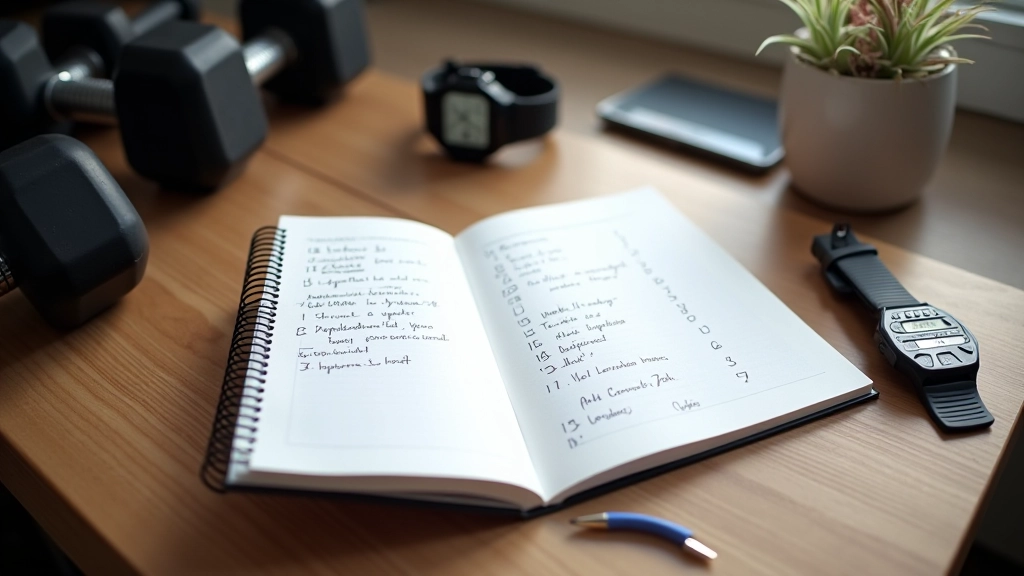
You don't need fancy apps or spreadsheets (though some people love those). You need a simple system you'll actually stick with. A notebook works. Your phone's notes app works. Honestly, most people overthink this part.
Start simple. Pick three things to track: one strength metric (like how much weight you're using), one recovery metric (like sleep or soreness), and one subjective feeling (like energy level or confidence). Write them down after each session or once a week. That's it.
After four weeks, you'll see patterns. Maybe your best workouts happen after good sleep. Maybe your knees feel better when you've done mobility work the day before. You're not collecting data for data's sake — you're finding what actually works for your body.


Monthly Check-Ins Matter More Than Daily Numbers
Here's what separates people who improve long-term from those who quit: monthly reviews. Not daily obsession, not weekly tweaking. Once a month, look back. What improved? What stayed the same? What got worse?
Our monthly fitness challenges at the gym work because they create natural check-in points. You compete in a workout at the start of the month, then again at the end. Not to beat others — to beat your own baseline. Most people see improvement. Not huge dramatic changes. Just real, measurable progress.
The magic isn't in the competition. It's in having a reason to pause and notice what's different. You'll be surprised how much changes in 30 days when you're actually paying attention.
Your Simple Tracking Template
Start here. This is all you really need.
Weekly Entry
Once a week (Sunday works for most people), write down: workouts done, how you felt, sleep quality, any pain or soreness. Five minutes. That's all.
Monthly Comparison
On the first of each month, compare to the month before. Stronger? Sleeping better? Moving easier? Write it down. That's your progress.
Quarterly Review
Every three months, look at the big picture. Are you consistently training? Recovering better? Feeling stronger? This is where you see real transformation.
The Progress You Can't See Yet
Here's the honest truth: most of the improvements you're making won't show up on a scale or in a mirror for months. But they're happening right now. Your cardiovascular system is adapting. Your muscles are getting stronger. Your joints are moving better. Your sleep is improving. Your confidence is building.
Tracking isn't about obsession. It's about noticing. It's about proving to yourself that the work is paying off, even when progress feels invisible. That's what keeps you showing up on days you don't feel like it. That's what makes training sustainable for years, not just weeks.
Start simple. Pick three metrics. Write them down. In a month, you'll have proof of progress. In three months, you'll wonder why you didn't start tracking sooner.




Disclaimer
This article provides educational information about fitness tracking and progress monitoring. It's not a substitute for professional medical advice, diagnosis, or treatment. Everyone's body is different, and what works for one person may not work for another. If you have any health concerns or existing medical conditions, consult with a healthcare provider or certified fitness professional before starting a new training program. The metrics and methods described here are general guidelines based on common fitness practices. Your results will depend on your individual effort, consistency, and circumstances.